Frequently Asked Questions
Socks use a mix of soft and flexible fibers. Cotton stands as a main choice in many designs. Cotton feels gentle on the skin and allows air to move. Polyester adds strength and helps the sock keep its shape. Elastane gives stretch, so the sock fits close to the foot. This blend supports daily use and keeps the sock stable after many washes.
Socks with a high cotton content suit daily wear. These socks feel soft and light on the skin. A medium thickness works well with most shoes. The fabric allows air to pass, which helps keep feet fresh. A snug fit keeps the sock in place during walking and standing. Reinforced heel and toe areas support longer use across the day.
Sock size follows shoe size ranges. Brands group sizes into small, medium, and large options. Each group covers a set of foot sizes. The fabric stretches and adapts to the foot shape. A good fit feels secure without tight pressure. The sock stays in place and does not bunch inside the shoe.
Comfort comes from soft fabric, a good fit, and a simple structure. Cotton-rich fabric feels smooth and allows air flow. Stretch fibers help the sock move with the foot. A flat toe seam reduces friction and supports a smooth feel. Reinforced zones support key areas such as the heel and toe. These features help the sock stay comfortable during long periods of wear.
Cotton offers softness and breathability, which supports daily comfort. Synthetic fibers such as polyester and elastane add strength and stretch. Polyester helps the sock last longer, and elastane keeps the fit close to the foot. A blend of cotton and synthetic fibers gives a balanced result. This mix supports both comfort and durability.
Sock life depends on how often you wear and wash them. Daily use leads to gradual wear in the heel, toe, and sole areas. The fabric may lose softness and stretch over time. A sock should feel smooth, hold its shape, and stay in place on the foot. Thin spots, loose elastic, or rough texture often show that it is time for a new pair.
Thick socks help keep feet warm in cold weather. The extra fabric adds a layer between the skin and the air. This structure helps hold warmth around the foot. Thick socks also feel softer inside boots and winter shoes. A good fit still matters, since socks that feel too tight can reduce comfort during long wear.
Well-made socks can help reduce friction on the skin. A close fit keeps the fabric from folding or sliding inside the shoe. Soft fibers create a smoother feel around the foot. Reinforced heel and toe areas support parts of the foot that face more pressure. Flat seams also help lower rubbing, which supports comfort during walking.
Socks may slip when the size, shape, or stretch does not match the foot well. Loose elastic around the cuff can also cause movement. A sock with enough elastane stays closer to the foot and ankle. A balanced fit helps the sock stay in place inside the shoe. Proper sizing and good fabric recovery support a more secure feel.
Strong socks often use blended fibers and reinforced areas. Polyester adds strength, and elastane helps the sock keep its shape. Reinforced heels and toes support the parts that face the most wear. A firm but soft cuff also helps the sock stay stable after many washes. Good construction supports longer use in daily routines.
Trending Sockys
-
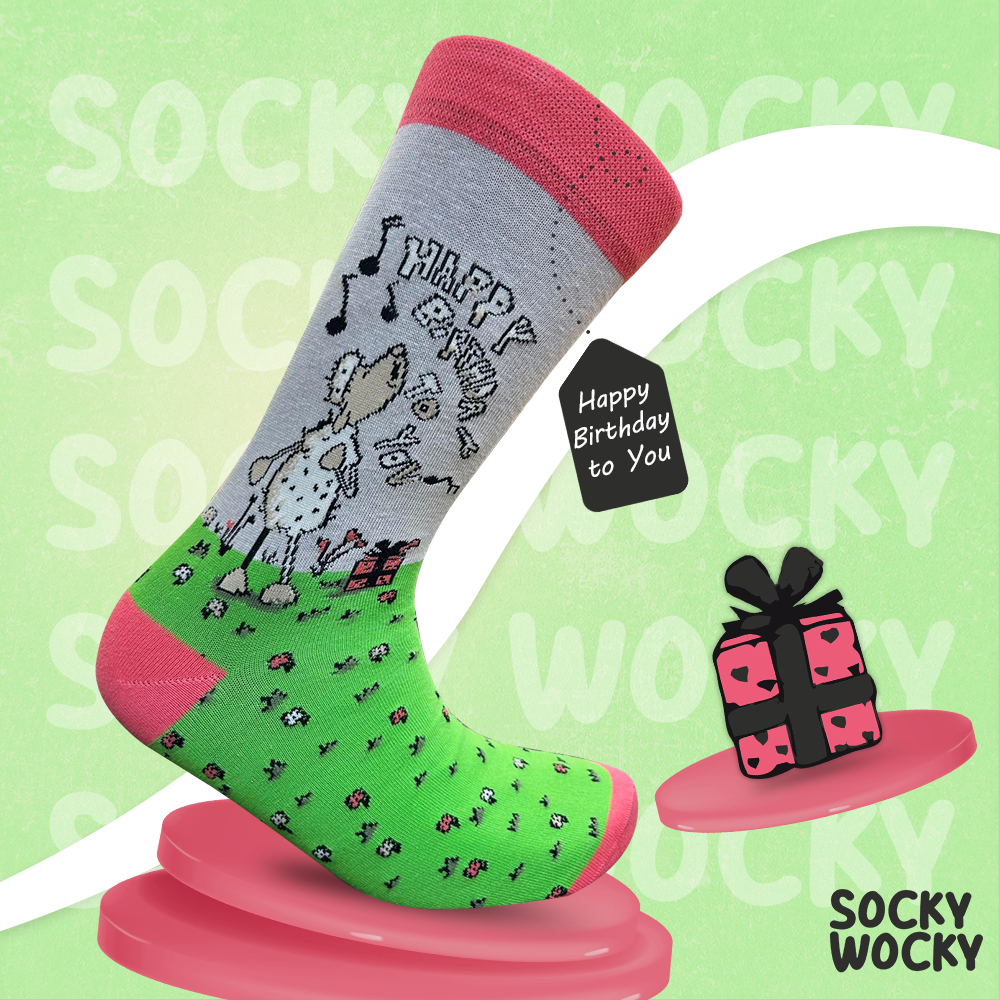
Happy Birthday Sheep Socks Celebration Animal Edition
€10,99 EURSale price €10,99 EURUnit price per
-
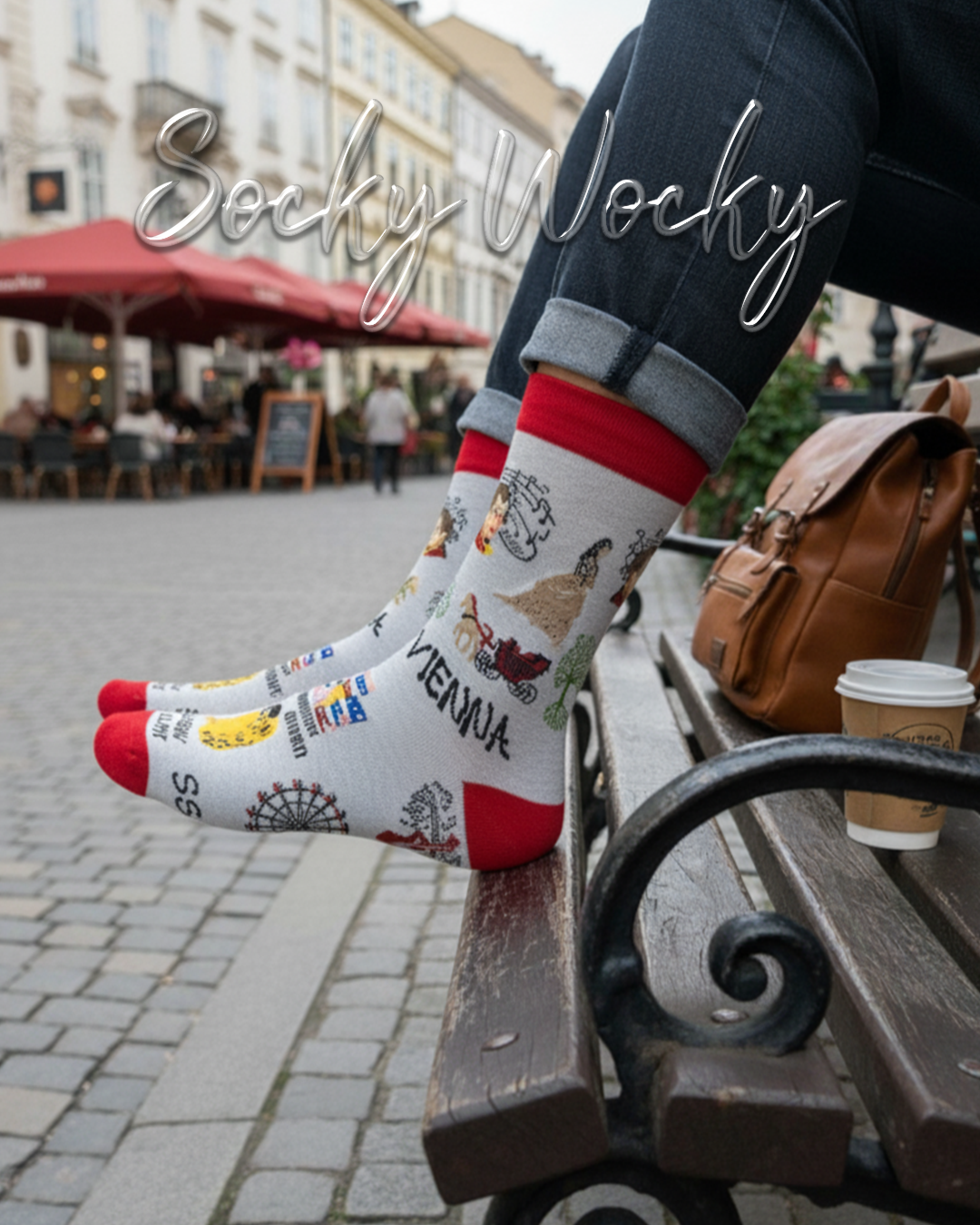

Vienna City Souvenir Socks Unique Landmark Design
€10,99 EURSale price €10,99 EURUnit price per

-
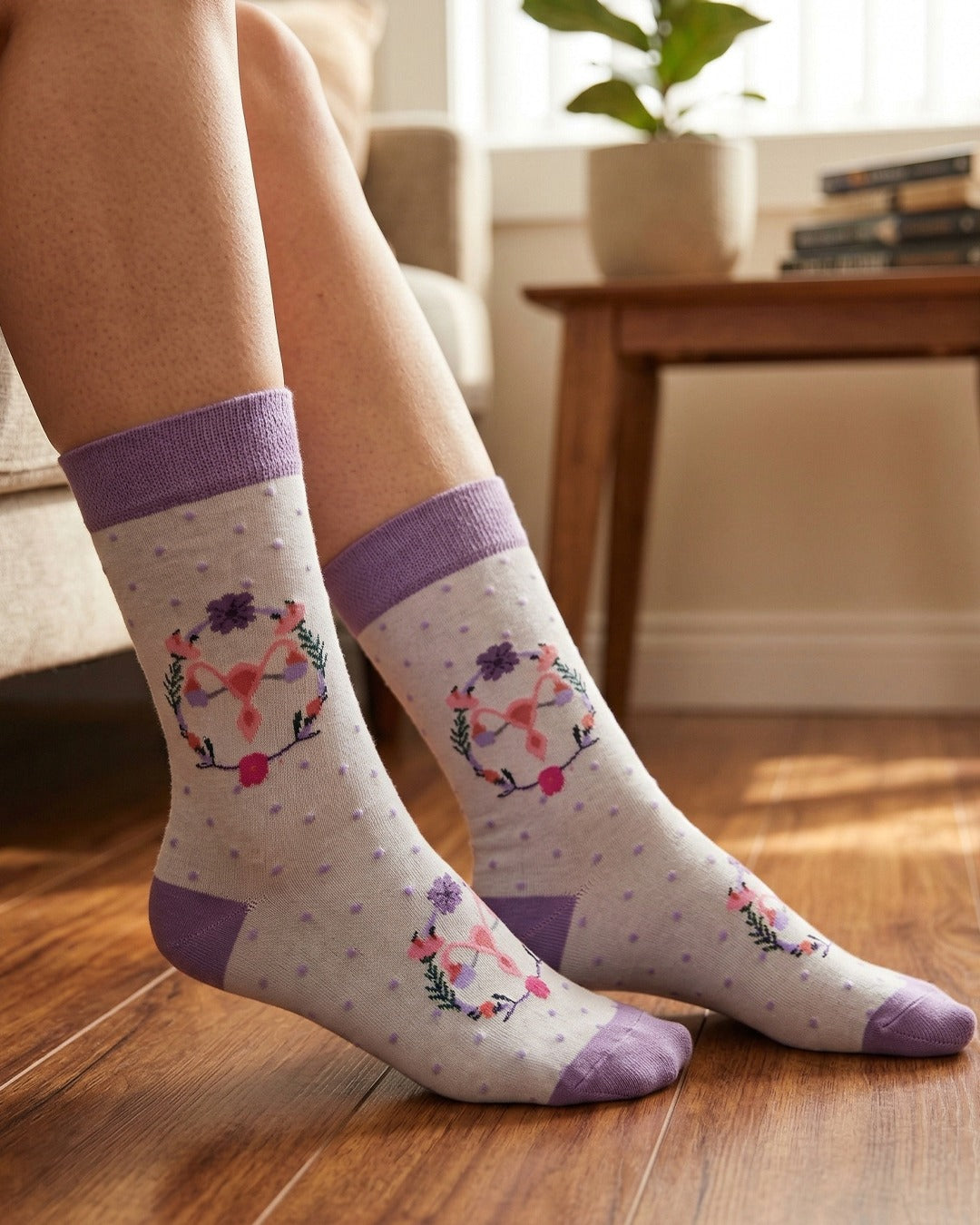
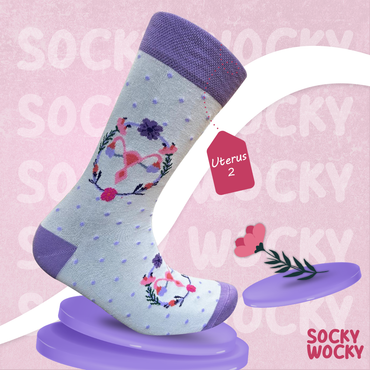
Uterus Purple Socks Feminine Symbol Edition
€10,99 EURSale price €10,99 EURUnit price per
-
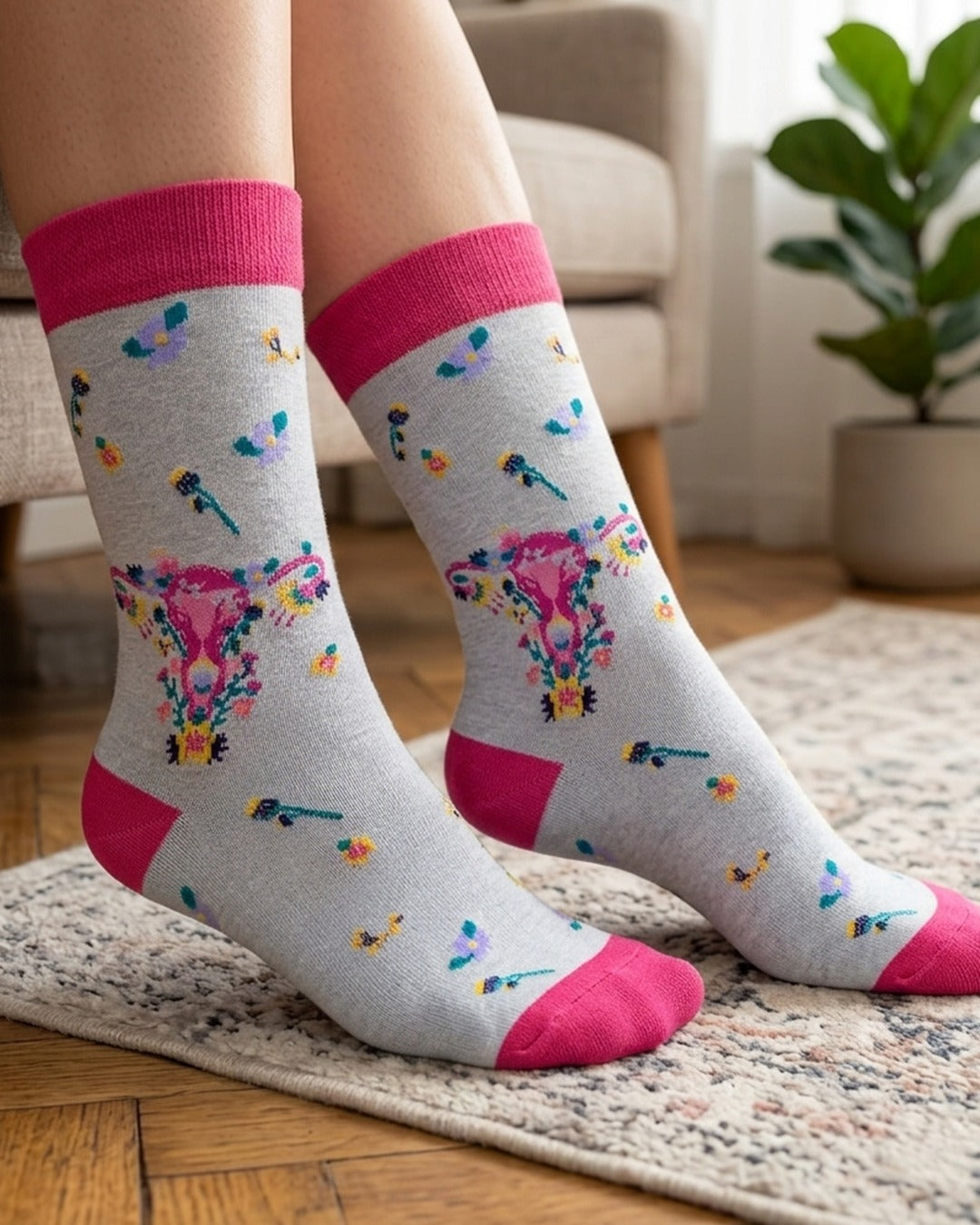
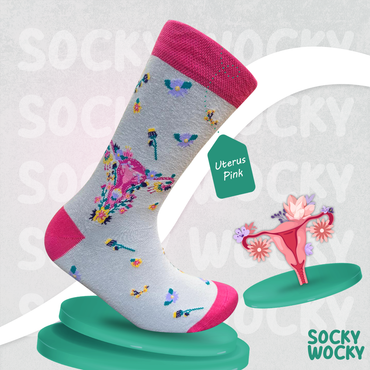
Uterus Pink Socks Feminine Health Series
€10,99 EURSale price €10,99 EURUnit price per
-

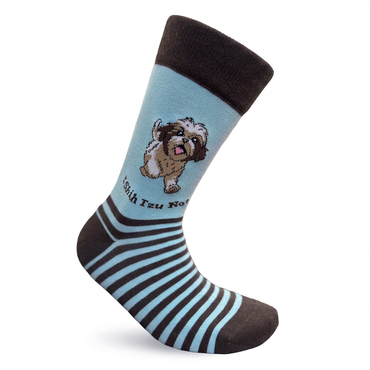
I Shih Tzu Not Socks Dog Humor Series
€10,99 EURSale price €10,99 EURUnit price per
-
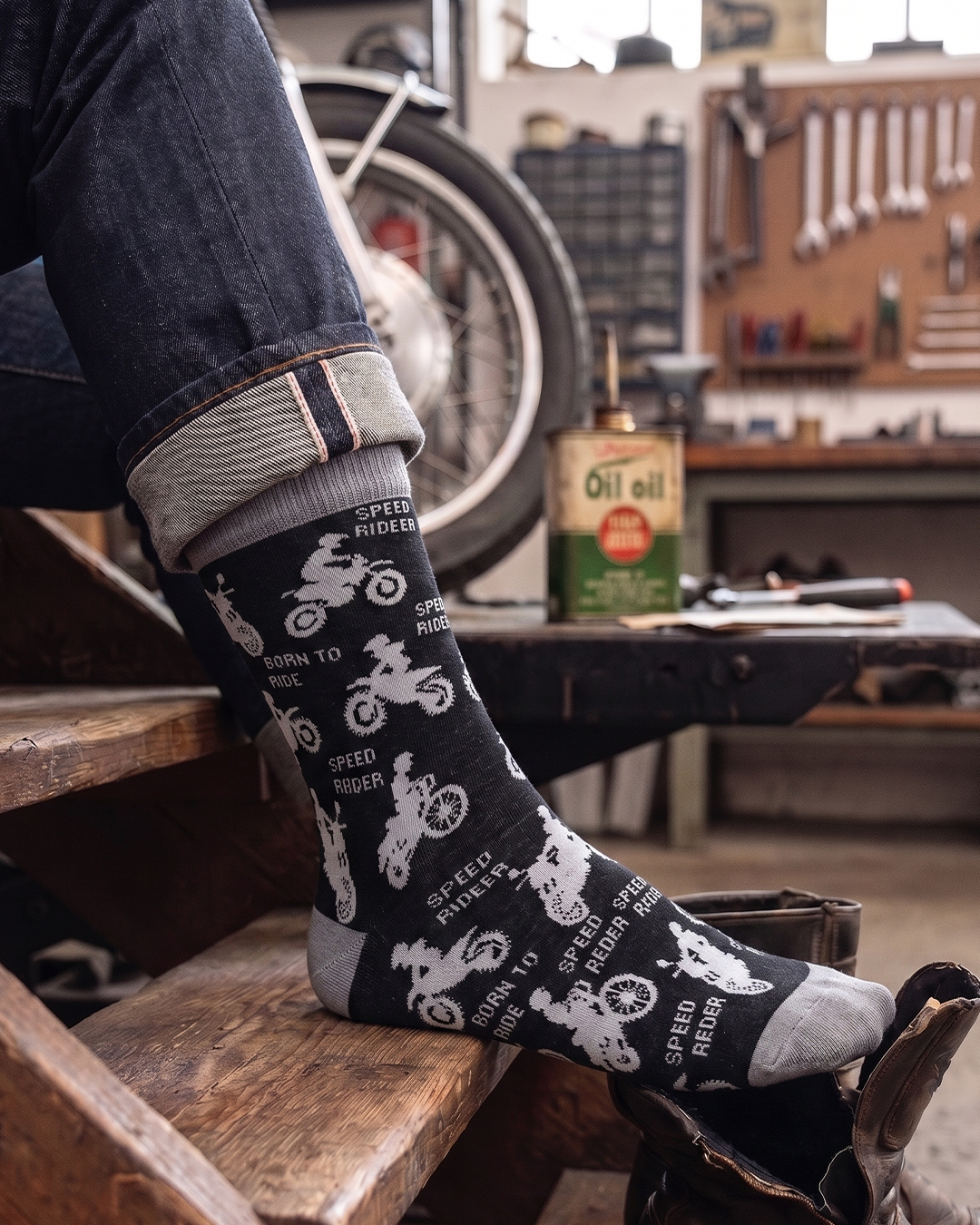
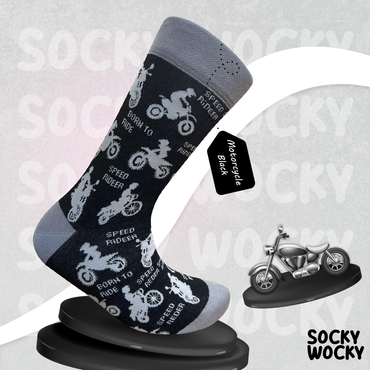
Motorcycle Black Socks Biker Lifestyle Series
€10,99 EURSale price €10,99 EURUnit price per
-
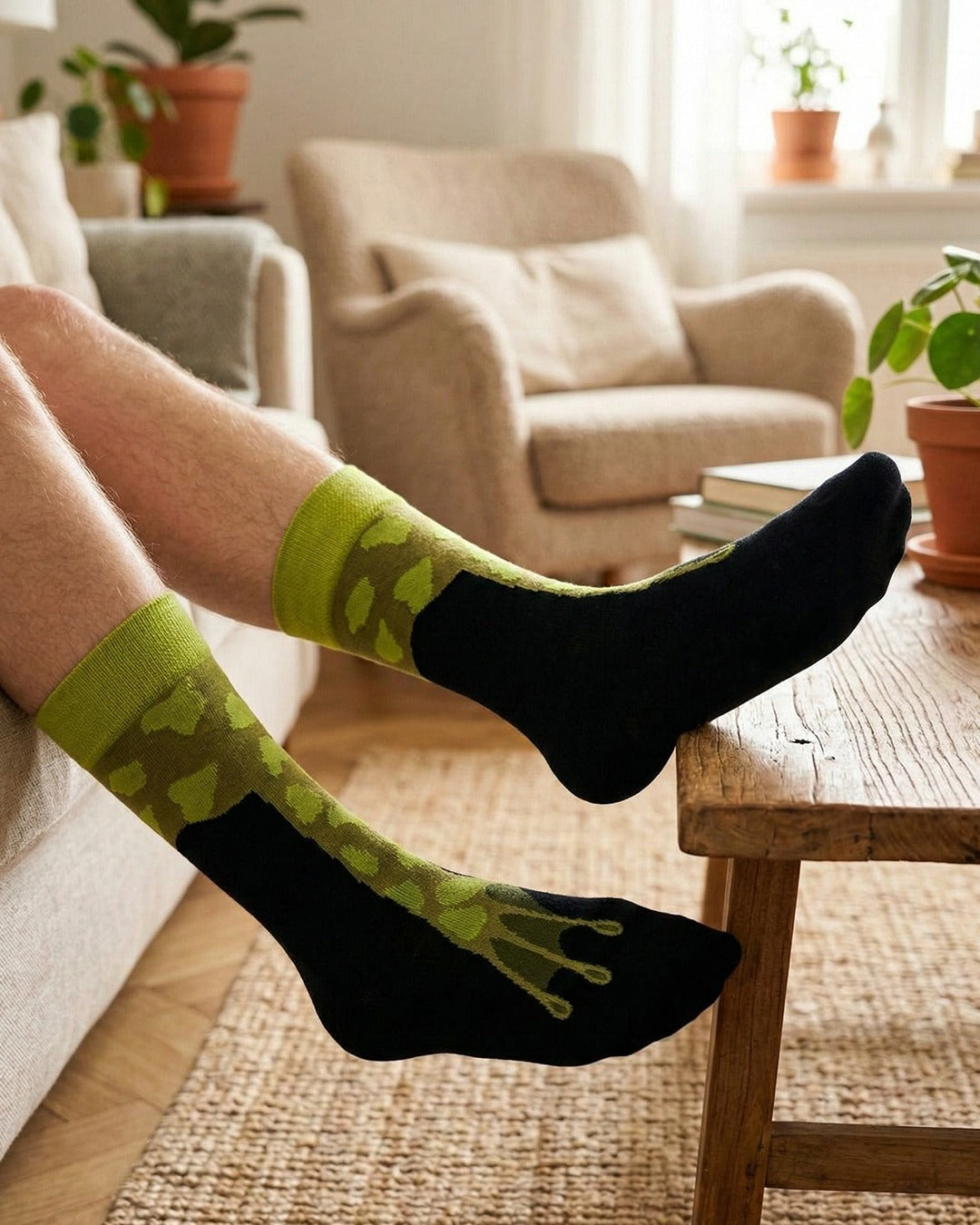
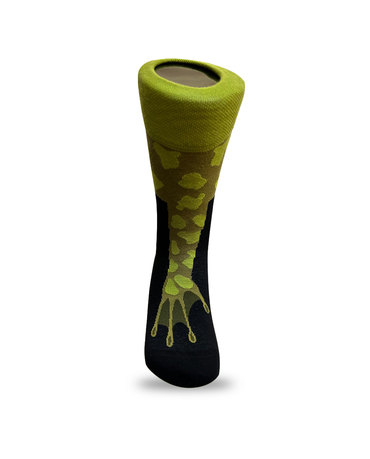
Frog Leg Socks Animal Nature Theme
€10,99 EURSale price €10,99 EURUnit price per
-
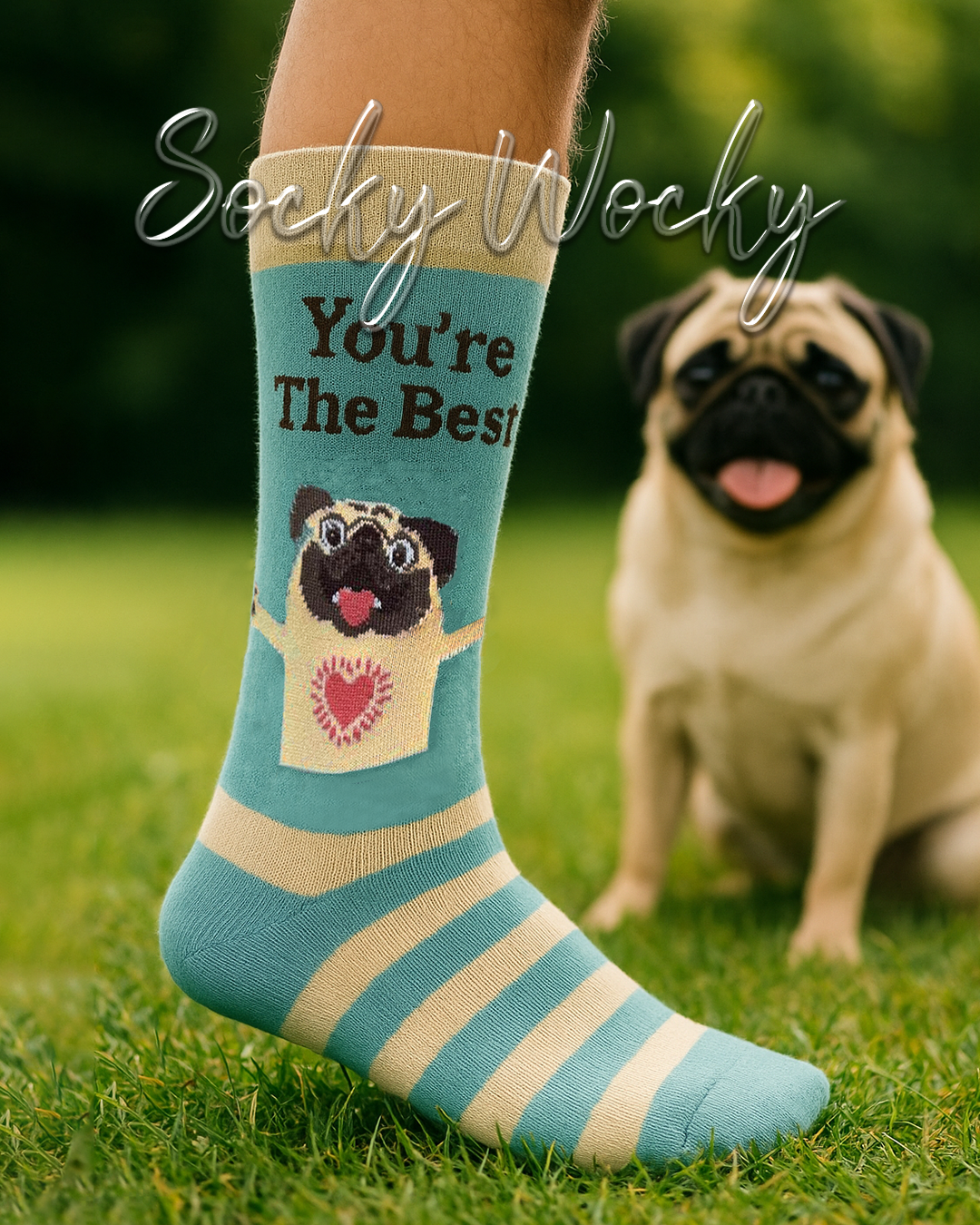
You're the Best Socks Cute Pug Gift Edition
€10,99 EURSale price €10,99 EURUnit price per
-
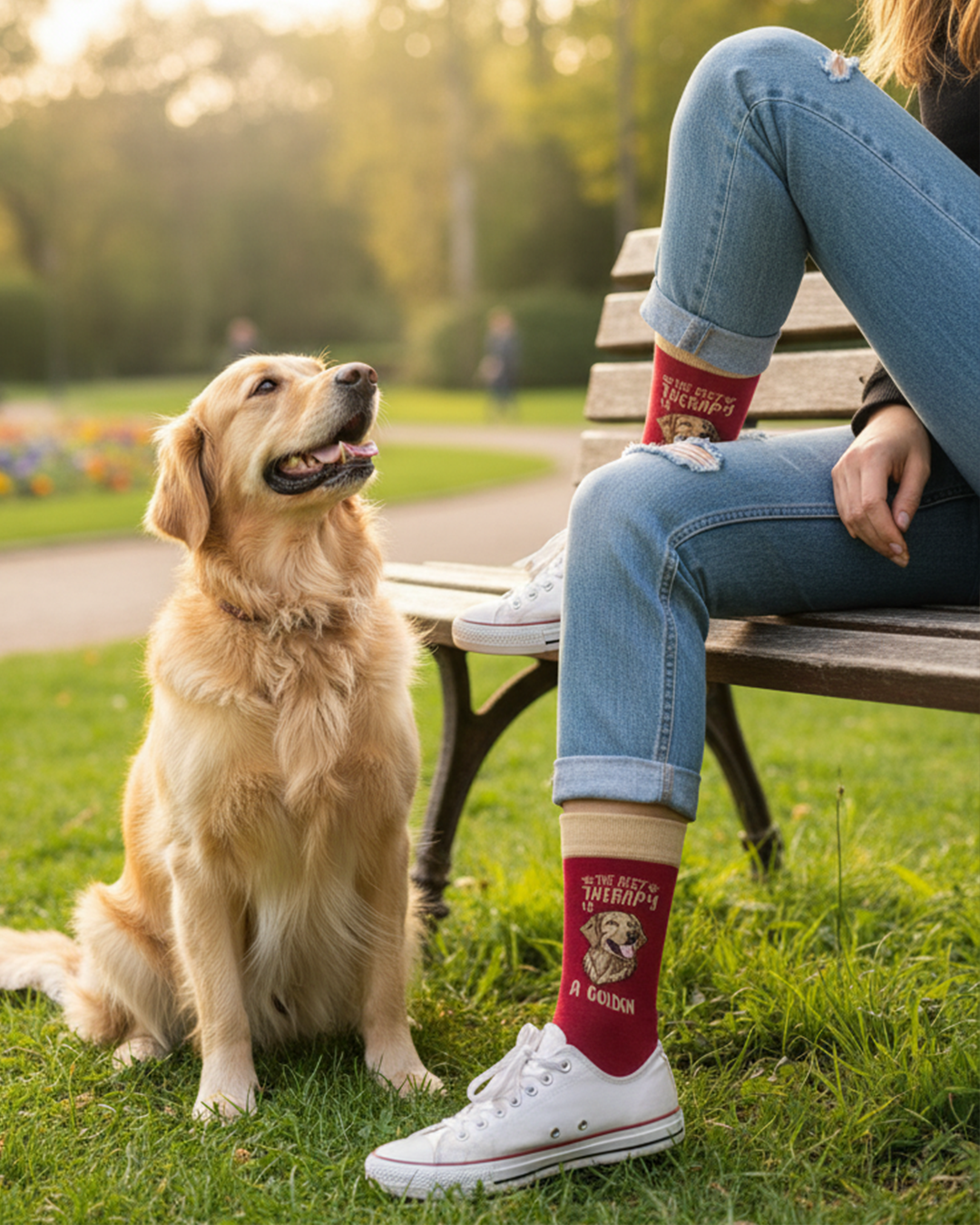
The Best Therapy Golden Socks Dog Love Series
€10,99 EURSale price €10,99 EURUnit price per
-

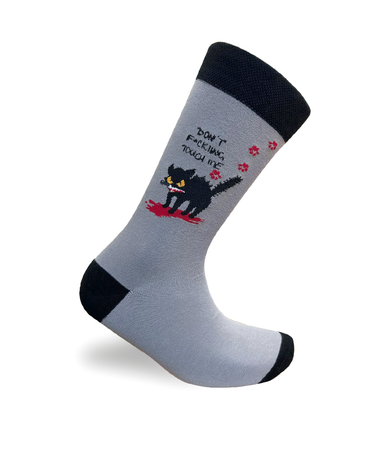
Don’t F*cking Touch Me Socks Attitude Series
€10,99 EURSale price €10,99 EURUnit price per

-
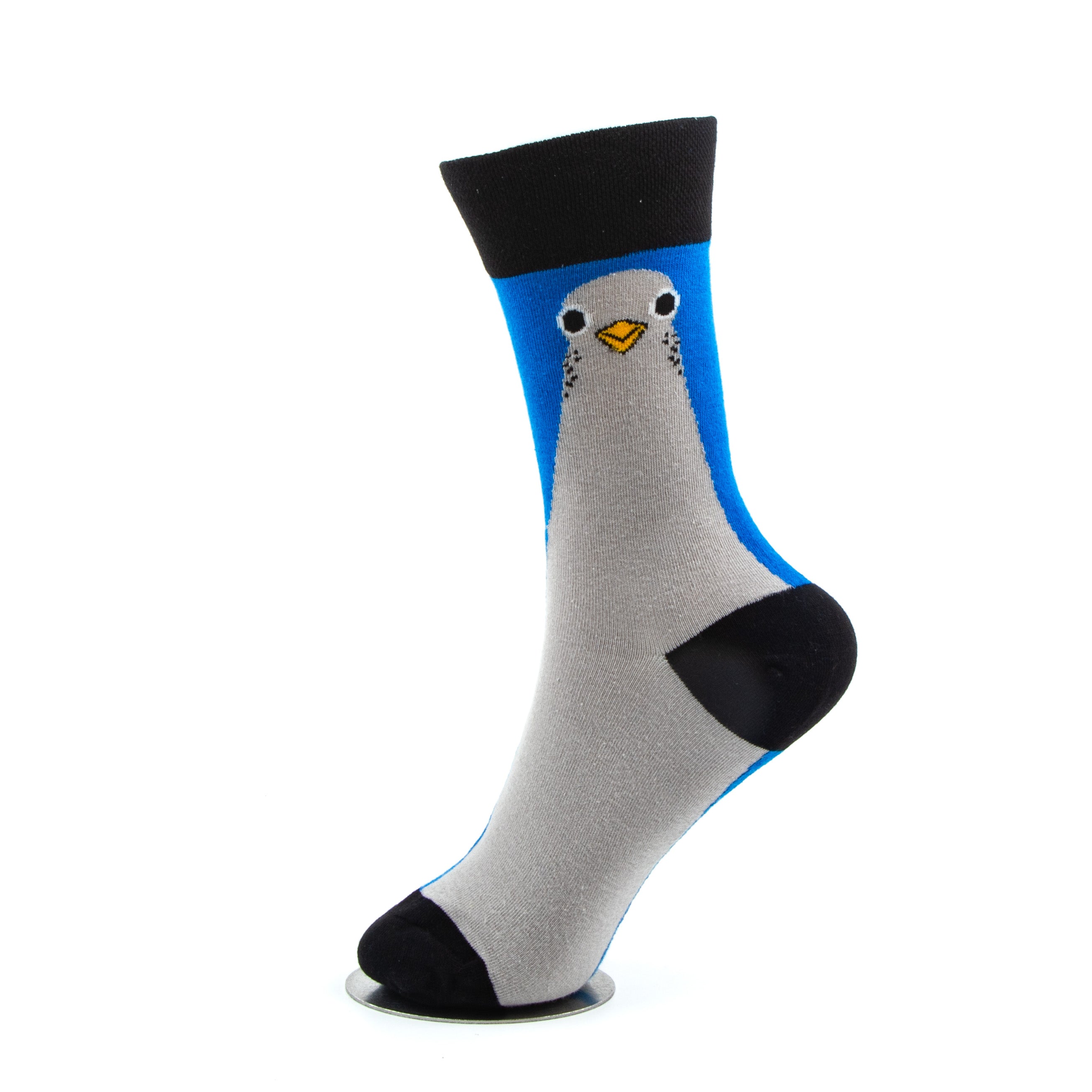
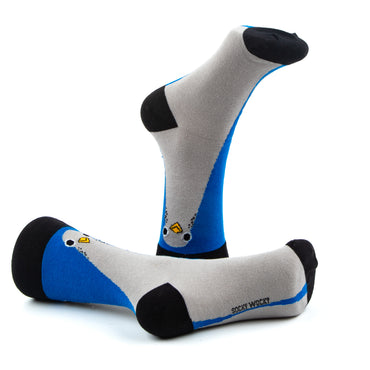
Pigeon Socks City Bird Collection
€10,99 EURSale price €10,99 EURUnit price per
-
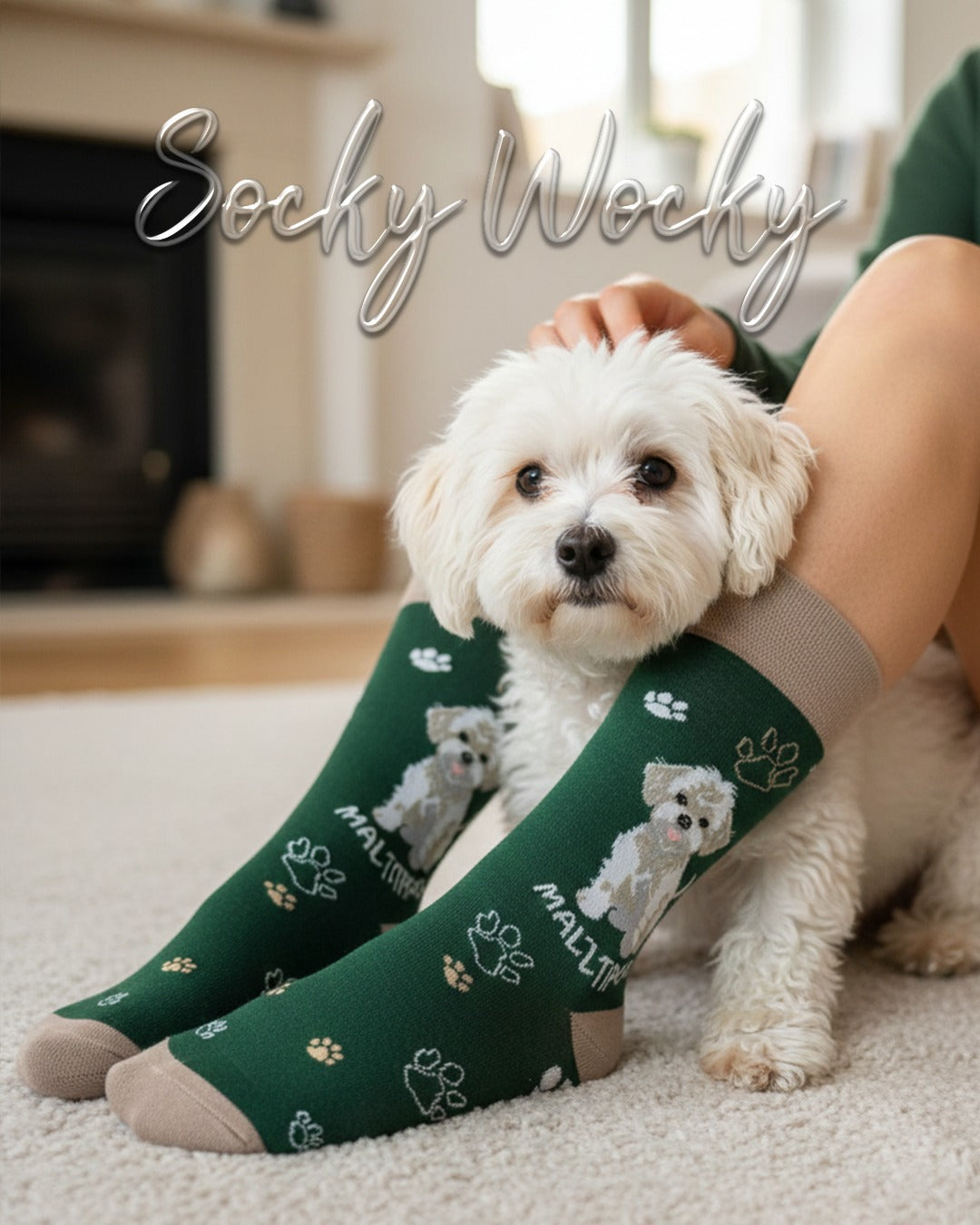
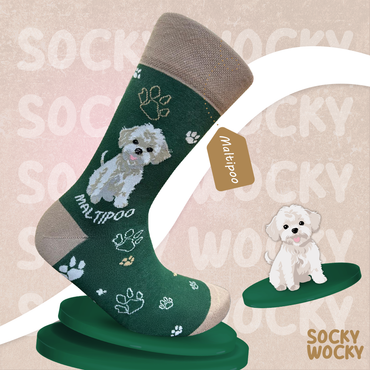
Maltipoo Socks Designer Dog Edition
€10,99 EURSale price €10,99 EURUnit price per